
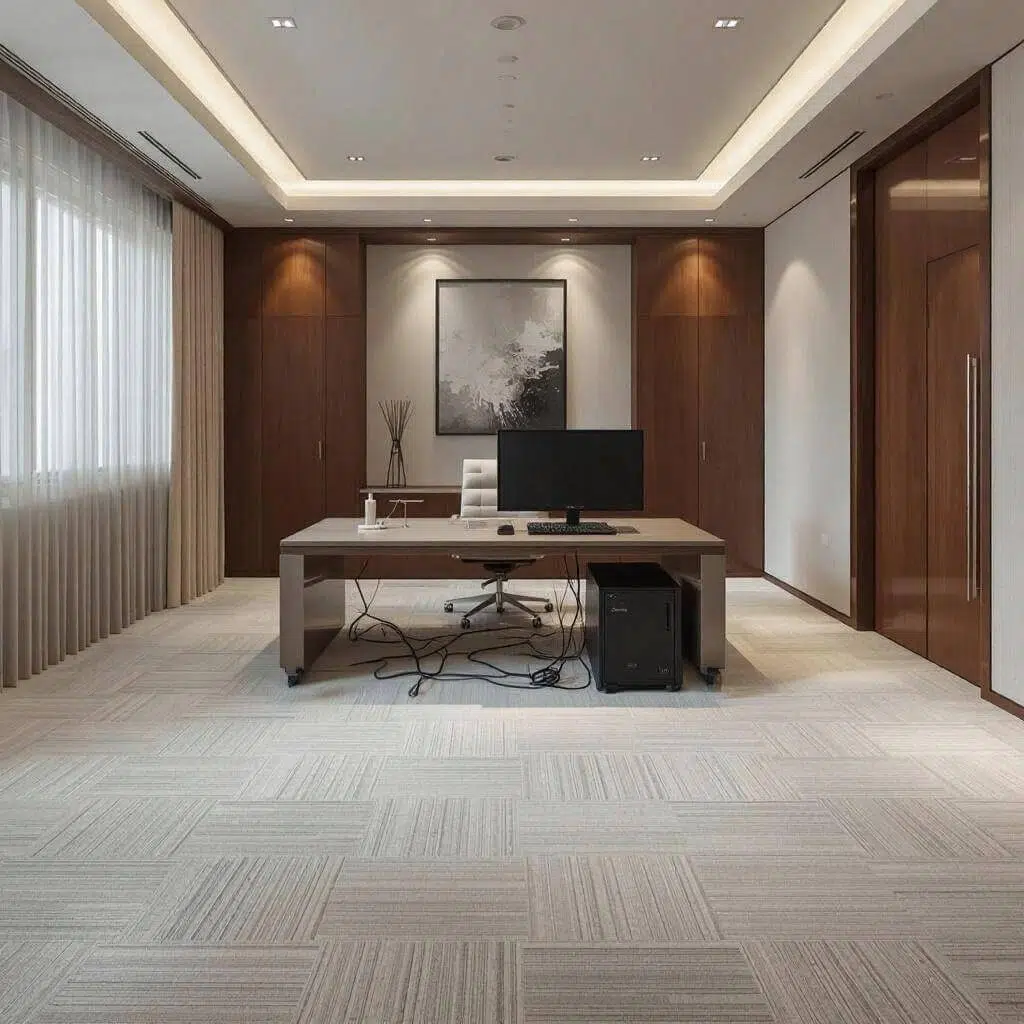
List the rooms, traffic, priorities, access rules, and preferred hours before choosing a recurring office schedule. Put tasks and frequency in writing so the work can be reviewed as the business changes.
Map the space before choosing frequency
A small office with light traffic may need a different schedule from a public-facing facility with busy restrooms and an employee kitchen. List the square footage, floor types, restrooms, break areas, conference rooms, and any areas cleaners should not enter.
Decide how the building will be accessed
Discuss keys or codes, alarm procedures, parking, trash disposal, operating hours, and who can approve a change in scope. If there are sensitive documents, equipment, or patient areas, identify them before the walkthrough. Our medical office cleaning focuses on agreed nonclinical spaces.
Put the checklist in writing
Separate daily or recurring tasks from periodic work such as interior glass, detailed floor care, or post-construction cleanup. Confirm supplies, schedule, and a point of contact. A clear scope helps a business compare proposals and notice when needs change.
See our office cleaning service or request a commercial estimate.
Start with the areas visitors notice
Reception, entry glass, restrooms, conference rooms, and floors often shape the first impression of an office. Employee kitchens and high-touch shared areas affect daily comfort. Decide which need attention at every visit and which can be scheduled less often. For a medical office, specify nonclinical areas and any restrictions before a proposal is prepared.
Review the plan after it begins
Foot traffic and staffing can change. After the first few visits, note whether trash, restrooms, or floors need a different frequency. Keep a clear contact person for service feedback and scope updates. That is easier than allowing small issues to build up until the next contract review.