
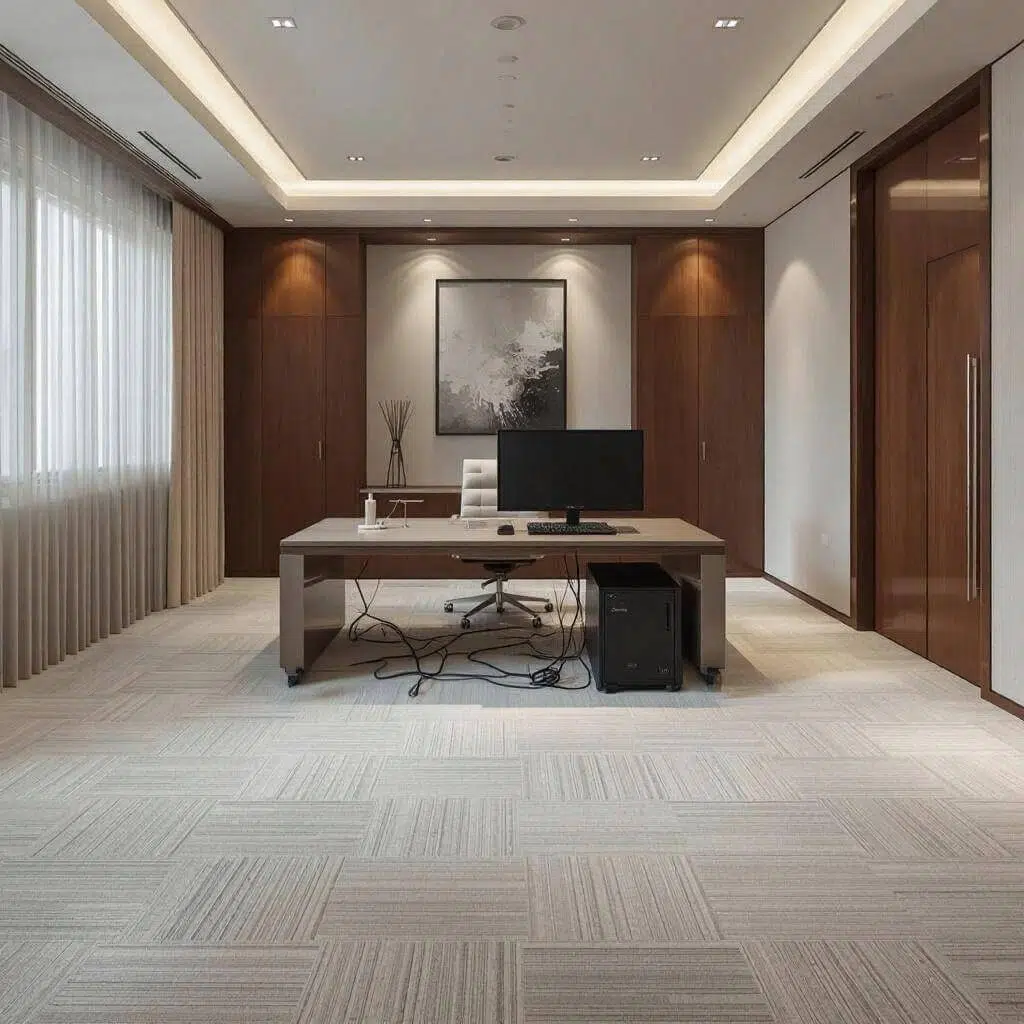
Match the schedule to traffic, restrooms, shared kitchens, floors, and operating hours. A Nassau County office may need daily attention in some spaces and less frequent detail work in others.
Start with how the space is used
An office with a few people and limited visitors may need a different schedule from a busy reception area. The right frequency depends on foot traffic, restrooms, shared kitchens, waste, flooring, and the impression you want the space to make each day. A calendar alone does not define the work. List the areas and tasks first, then choose a schedule that supports them.
Which areas often need more frequent attention?
Entrances, restrooms, touchpoints, break rooms, and floors in high-traffic areas tend to show use quickly. Private offices or meeting rooms with lighter use may need a different rhythm. If your property includes a medical setting, discuss its distinct access and scope requirements rather than assuming a general office plan covers clinical tasks.
Should we schedule daily, several times a week, or weekly?
Daily or near-daily visits can make sense where restrooms, trash, and shared spaces see constant use. A smaller office with predictable traffic may begin with a few visits a week or a weekly plan. The schedule can be adjusted after you see how the space holds up between visits. Specify whether service must happen before opening, after closing, or during business hours.
What should be included in the walkthrough?
- Approximate square footage and the number of rooms and restrooms.
- Employee and visitor traffic, flooring, and shared amenities.
- Access, alarm instructions, preferred hours, and parking.
- Tasks that matter every visit versus periodic detail work.
Ask for a written scope and a way to report issues or changing needs. Review our recurring commercial cleaning and office-cleaning planning guide. For your facility, send the details for a commercial estimate.